
Peyote Education & History
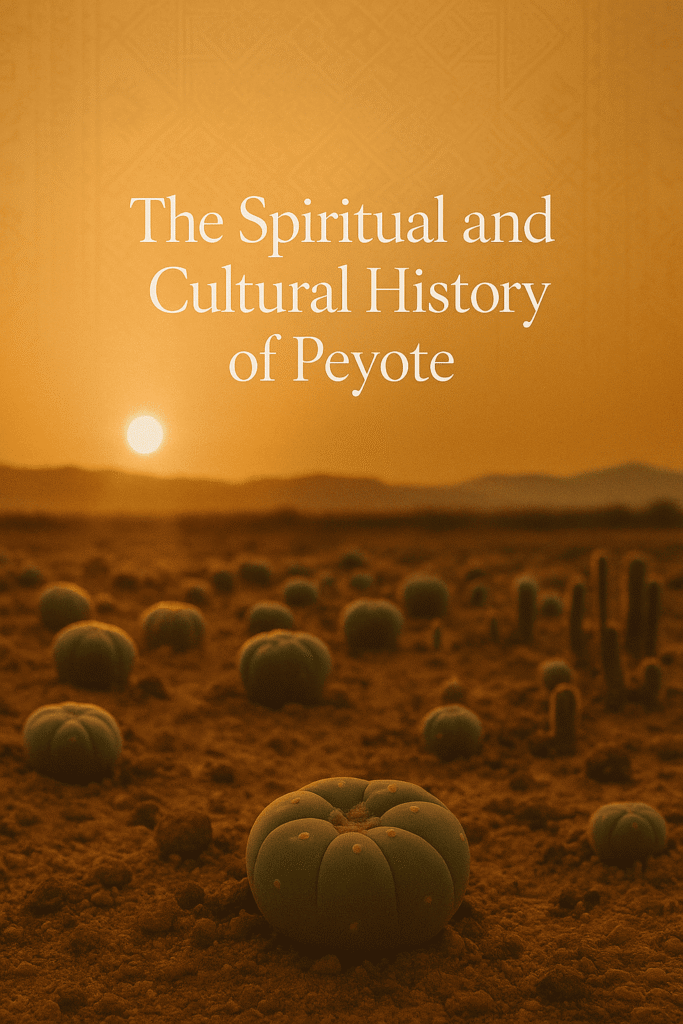
The Spiritual and Cultural History of Peyote
Oct
For thousands of years, peyote (Lophophora williamsii) has held deep cultural, medicinal, and spiritual importance among Indigenous peoples of North America.
Long before it became a botanical curiosity, peyote was regarded as a sacred bridge between the human and the divine — a teacher of balance, healing, and humility.
At Peyote Seeds Farm, we honour this ancient heritage through ethical cultivation and educational awareness, ensuring the survival of both the plant and its cultural legacy.
🌿 Origins in the Desert
Peyote grows naturally in the arid limestone regions of northern Mexico and southern Texas. Archaeological evidence — such as dried peyote buttons discovered in Shumla Caves — dates ceremonial use to over 5 000 years ago.
Indigenous groups such as the Huichol (Wixárika), Tarahumara, and Cora peoples integrated peyote into sacred ceremonies celebrating nature, ancestors, and cosmic order.
🕊 Peyote in Native American Tradition
When the Native American Church (NAC) was founded in the late 1800s, peyote became central to its religious expression.
It symbolised:
-
✨ Spiritual purification
-
💚 Unity with nature
-
🌙 Guidance and inner vision
Ceremonies often include songs, drumming, and prayer around a sacred fire, where participants seek harmony with the Creator.
Today, peyote continues to be a protected sacrament for members of the NAC in the United States.
🧬 From Sacred Use to Scientific Study
In the early 20th century, Western researchers began studying peyote’s chemical structure, isolating mescaline and analysing its psychophysiological effects.
While science examined the plant’s compounds, Indigenous communities preserved its spiritual essence, reminding the world that peyote’s value extends far beyond laboratory data.
If you’re curious about the plant’s modern applications, read our post on The Role of Peyote in Modern Botanical Research.
🌎 Cultural Respect and Ethical Cultivation
Unfortunately, over-harvesting and habitat loss have endangered many wild peyote populations.
That’s why nursery-grown peyote plays a crucial role in cultural preservation. At Peyote Seeds Farm, every seed and plant is propagated responsibly — never taken from the wild.
Learn how sustainability supports tradition in our article on Peyote Conservation & Sustainability.
🌵 How Cultivated Peyote Protects the Sacred Plant
Ethically cultivated peyote:
-
🌱 Preserves wild populations
-
🧪 Enables scientific research and education
-
🕊 Provides access for ceremonial growers under legal frameworks
-
💚 Encourages cross-cultural respect and understanding
Our Lophophora Williamsii Seeds are sourced from greenhouse-grown stock to ensure purity and sustainability.
🪴 Honouring Tradition Through Knowledge
Every peyote grower has a responsibility to learn its story. Understanding its cultural context brings greater appreciation and fosters ethical practice.
When we grow peyote with awareness, we help protect both the plant and the people who hold it sacred.
Continue your learning journey:
👉 Read the Lophophora Guide to understand peyote’s biology and care.
❓ Frequently Asked Questions
1. Why is peyote considered sacred?
Because it symbolises spiritual connection and healing within many Indigenous ceremonies.
2. Is peyote still used ceremonially today?
Yes — it remains central to Native American Church rituals and traditional medicine.
3. How can cultivation help conservation?
Greenhouse propagation provides sustainable supply and protects wild habitats.
4. Can non-Indigenous people grow peyote respectfully?
Yes — when grown ethically, legally, and with cultural understanding.
