
Cultivation & Growth Guides
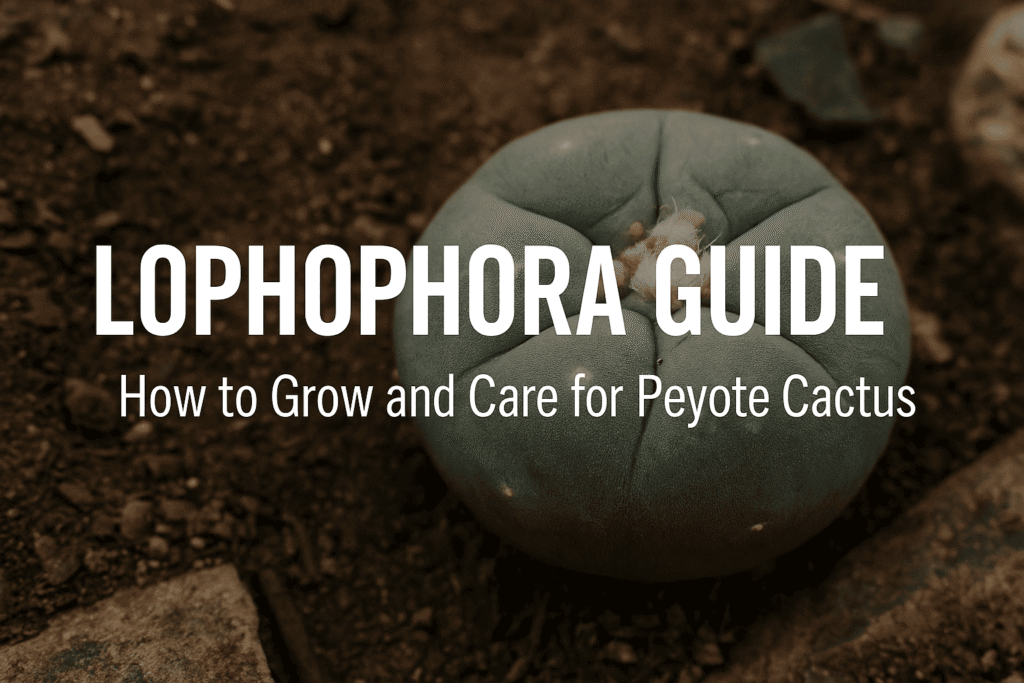
Lophophora Guide – How to Grow and Care for Peyote Cactus
Oct
The Lophophora genus, best known for Lophophora williamsii (commonly called peyote cactus), represents one of the most fascinating desert succulents on Earth.
Whether you’re a passionate collector or a first-time grower, understanding how to properly grow peyote from seed and maintain its health is essential for long-term success.
At Peyote Seeds Farm, we’ve helped thousands of growers cultivate healthy, thriving Lophophora plants using proven techniques rooted in both experience and science.
🌱 Understanding the Lophophora Genus
Lophophora is a small, spineless cactus native to Mexico and the southwestern United States.
Key species include:
-
Lophophora williamsii — the true peyote cactus
-
Lophophora diffusa — lighter green and faster growing
-
Lophophora fricii — known for its distinct pink flowers
All species share a slow-growth habit, rounded body (“button”), and deep root system that requires a specific soil environment to thrive.
🌵 Step-by-Step: How to Grow Lophophora from Seed
Growing Lophophora seeds requires patience, but the process is simple with proper setup.
Step 1: Prepare the Substrate
Use a well-draining cactus soil mix — ideally a blend of:
-
50% mineral grit (pumice, perlite, or sand)
-
25% sterilised loam soil
-
25% cactus compost
For best results, try our Cactus Accessories, Soil & Tools collection or pre-made Germination Kits.
Step 2: Sow the Seeds
Scatter the seeds evenly on the soil surface. Do not bury them; simply press lightly for surface contact.
Mist with sterile water until the surface is evenly moist.
Step 3: Create a Humid Environment
Cover the container with a humidity dome or transparent lid to maintain 70–80% humidity.
Keep temperatures between 25–28 °C (77–82 °F).
Step 4: Provide Light and Patience
Place in bright, indirect light. Germination usually occurs within 10–30 days.
Once seedlings appear, gradually increase airflow and light exposure.
👉 Learn more in our How to Grow Peyote from Seed article.
☀️ Lighting and Temperature
Lophophora thrives in warm, bright environments but dislikes harsh, direct sunlight.
Ideal conditions:
-
Temperature: 20–32 °C (68–90 °F)
-
Light: Partial sun or filtered light
-
Winter rest: Cooler and drier conditions around 15 °C (59 °F)
💧 Watering & Feeding Tips
Because peyote is adapted to desert life, overwatering is the biggest risk.
-
Water only when soil is completely dry.
-
Use rainwater or distilled water if possible.
-
During winter dormancy, reduce watering to once a month or less.
Feed lightly with a low-nitrogen cactus fertiliser during the active growth period (spring–summer).
🪴 Repotting and Root Care
Lophophora has a deep taproot that prefers shallow, wide pots.
Repot every 2–3 years using a fresh, sterilised substrate.
When repotting:
-
Remove old soil gently
-
Allow roots to dry for a day before replanting
-
Avoid watering for a week afterward
You can find suitable pots and soil mixes in our Accessories & Tools section.
🦠 Common Problems and Pests
Despite its resilience, Lophophora can attract pests if grown indoors or overwatered.
Watch for:
-
Mealybugs – cotton-like white pests on the body
-
Fungus gnats – due to excess moisture
-
Root rot – from compact or wet soil
Our Pests & Insects Treatment solutions are formulated specifically for cactus species.
🌍 Ethical Growing & Conservation
At Peyote Seeds Farm, we promote sustainable propagation — all our Lophophora williamsii seeds and plants are nursery-grown, not wild-harvested.
By choosing cultivated specimens, you help protect endangered wild populations and support ethical horticulture.
❓ Frequently Asked Questions
1. How long does Lophophora take to mature?
It can take 3–10 years for a peyote cactus to reach maturity, depending on conditions. Growth is slow but incredibly rewarding.
2. Can I grow Lophophora indoors?
Yes. Peyote thrives indoors if placed near a bright window or under grow lights with proper airflow.
3. Are Lophophora seeds legal?
Yes — peyote seeds are legal in most regions. Only the cultivation or possession of mature plants may be restricted by law.
4. How often should I water peyote?
Water sparingly. During summer, about every 2–3 weeks; during winter, once a month or less.
5. Can I graft peyote seedlings?
Yes, grafting is a popular technique to accelerate growth. Visit our Grafting Plants section for starter stock.
🌵 Start Your Lophophora Journey Today
Explore our full range of Lophophora Williamsii Seeds and Lophophora Plants.
Every order is packaged discreetly and shipped worldwide with care — helping you grow your own sacred desert cactus with confidence.
